Every successful clothing collection starts with an idea. It might be a new activewear range, a premium casualwear collection, a children’s clothing line, or a workwear product designed for demanding conditions.
But between the first design and the finished shipment, there are many important decisions to make.
Which fabric will work best? Will the sample fit correctly? Can the factory meet the quality requirements? Is the production timeline realistic? And how can a brand reduce the risk of costly mistakes?
For international fashion brands, managing these details across borders can be challenging.
That is why understanding the apparel production process from tech pack to shipment is so important.
In this guide, we explain the key stages of garment production, what buyers should expect at each stage, and how the right apparel sourcing partner can help make the process more organized and predictable.
Before a garment goes into production, the manufacturer needs to understand exactly what the buyer wants.
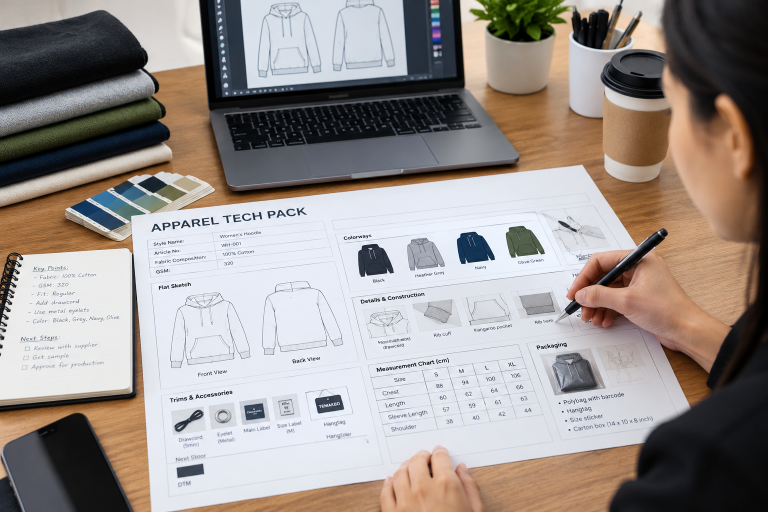
A tech pack helps turn a creative idea into a practical manufacturing document. It communicates the technical details required to develop and produce the garment consistently.
A typical apparel tech pack may include:
Front and back technical sketches
Fabric composition and GSM
Colorways and color references
Measurement specifications
Construction and stitching details
Trims, labels, and accessories
Artwork and branding placement
Packaging requirements
Imagine a brand developing a new heavyweight cotton hoodie. The design may look straightforward, but small details such as fabric weight, rib construction, drawcord specifications, stitching, and fit can significantly affect the finished product.
If these details are unclear, misunderstandings can occur before production even begins.
Our advice to buyers: Take the time to finalize your product specifications. A clear tech pack helps everyone work toward the same result.
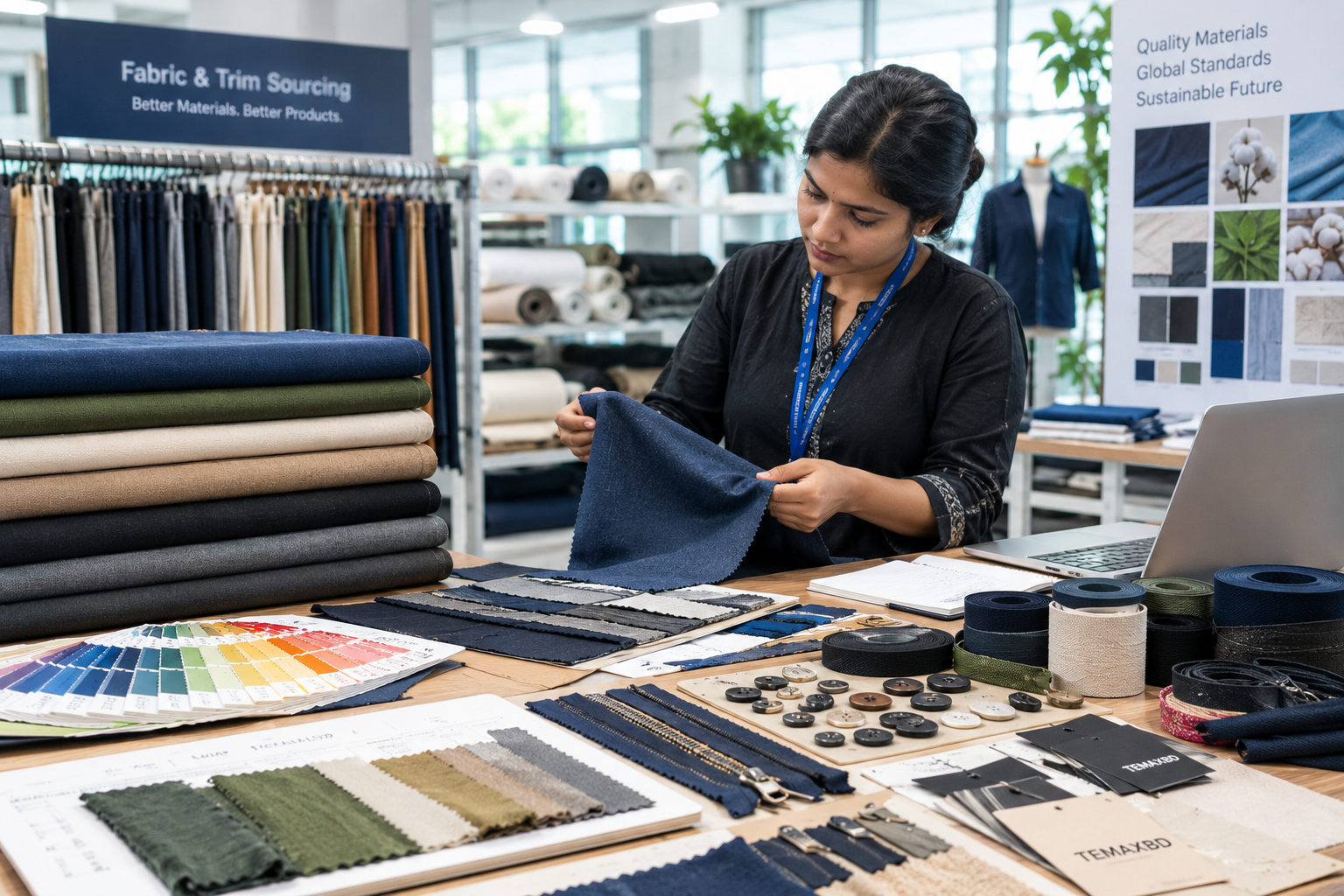
The fabric can make or break a garment.
It influences how a product feels, looks, fits, performs, and wears over time. The right choice also depends on the product’s intended use and target price.
For example, an activewear collection may require stretch, moisture management, and recovery. A premium T-shirt collection may prioritize softness, durability, and consistent shrinkage performance.
During this stage, buyers and sourcing teams consider:
Fabric composition and construction
GSM and hand feel
Color and shade requirements
Performance and testing requirements
Trims, zippers, buttons, labels, and threads
Availability, cost, and lead time
Material approval should happen before bulk production begins, according to the agreed development process.
This is also the right time to discuss practical alternatives if a preferred material is unavailable, too expensive, or unsuitable for the product.
The goal is not simply to find a fabric. It is to find the right material for the design, quality expectation, and commercial objective.
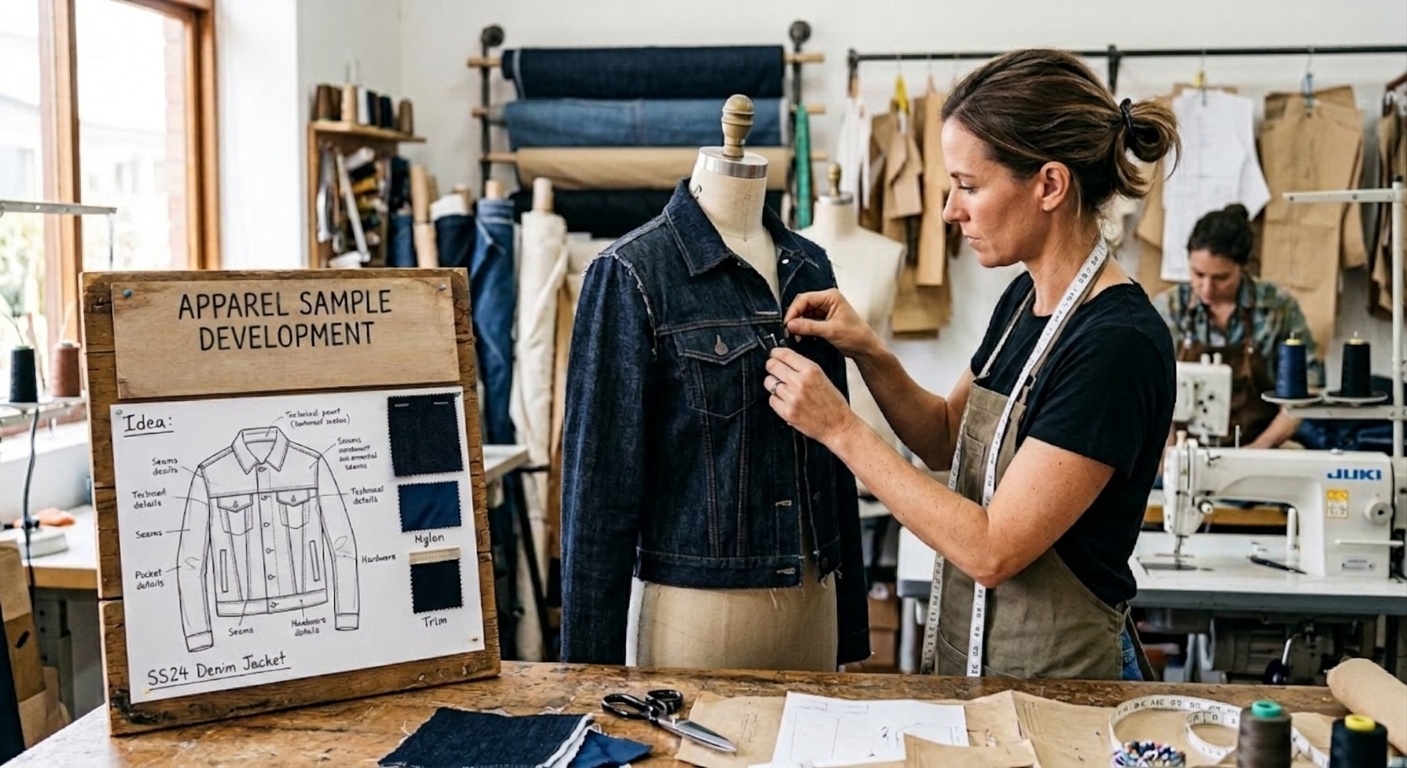
A design on a screen can look perfect. The physical garment may tell a different story.
That is why sampling is such an important stage in apparel development.
A sample allows the buyer to assess the actual product before committing to bulk production.
Depending on the project, development may involve:
Initial prototypes
Fit samples
Revised samples
Size-set samples
Pre-production samples
During sample review, buyers may examine the fit, measurements, fabric feel, construction, color, stitching, and overall appearance.
For example, a brand developing women’s leggings may discover that the waistband needs more support or that the fabric does not provide the expected stretch recovery. Resolving these issues during development is generally easier than correcting them after bulk manufacturing has started.
Sampling may require several rounds of adjustments. That is normal. The important thing is to communicate feedback clearly and document the approved changes.
A few extra days spent getting the sample right can help prevent much bigger problems later.
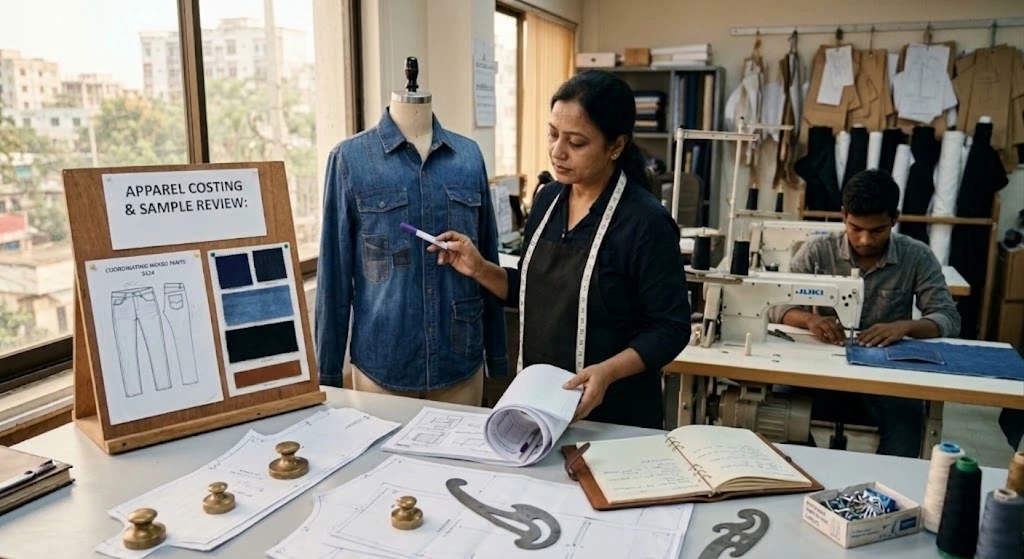
Once the product requirements and materials are sufficiently defined, the commercial details can be reviewed.
Apparel costing may include fabric, trims, labor, washing or finishing, printing, embroidery, packaging, and other applicable production costs.
The final quotation depends on the product specifications, order quantity, material choices, production requirements, and agreed commercial terms.
Before confirming an order, buyers should clarify:
Final product specifications
Approved materials and colors
Order quantity and size breakdown
Unit price and commercial terms
Payment terms
Production lead time
Inspection requirements
Packaging and shipment arrangements
It is also important to distinguish the factory production timeline from the complete order timeline. Material sourcing, sample approval, testing, and shipping arrangements can all affect the overall schedule.
A realistic plan is more useful than a promise that cannot be met.
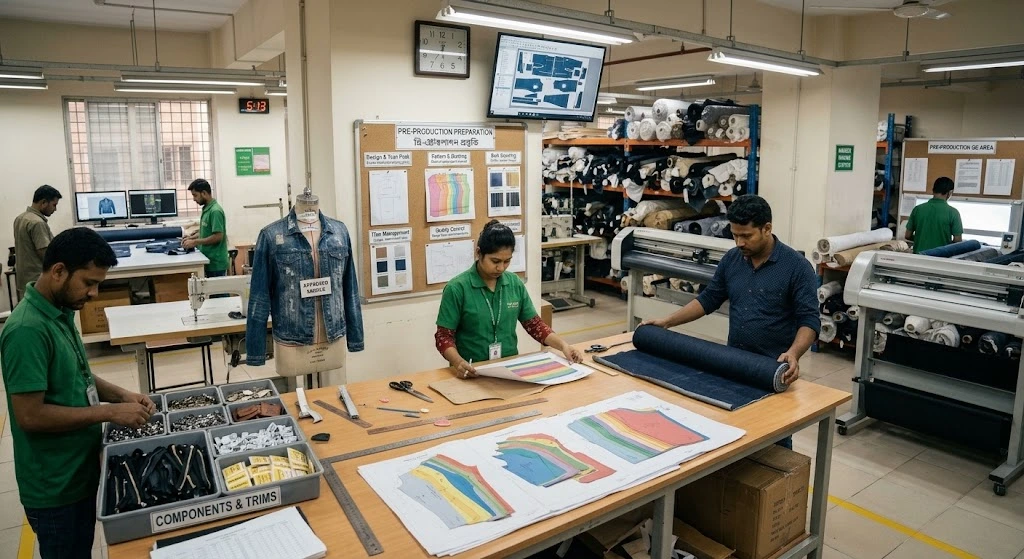
Before bulk production starts, the relevant teams should confirm that the essential requirements are in place.
This stage helps align the buyer, merchandiser, sourcing team, and factory.
Depending on the product, pre-production checks may include:
Approved pre-production sample
Final tech pack and measurement chart
Fabric and trim approvals
Color and shade confirmation
Testing requirements
Production planning
Quality standards and inspection criteria
Any unresolved issue should be discussed before bulk manufacturing begins.
This is particularly important when a style has complicated construction, special finishing, strict performance requirements, or multiple colorways.
A well-organized pre-production stage gives the factory a clearer production target and helps reduce avoidable confusion.
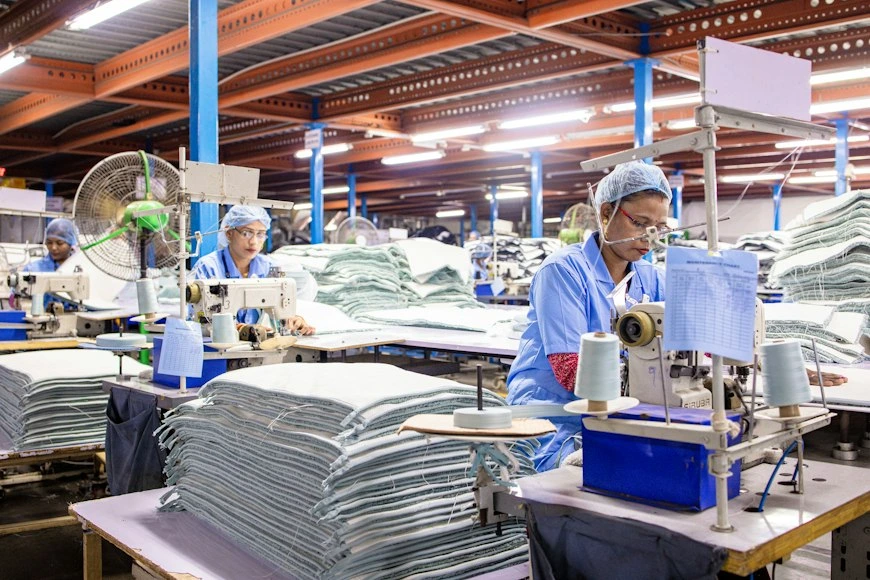
Once the required approvals are complete, bulk production can begin.
This is where planning, communication, and production management become especially important.
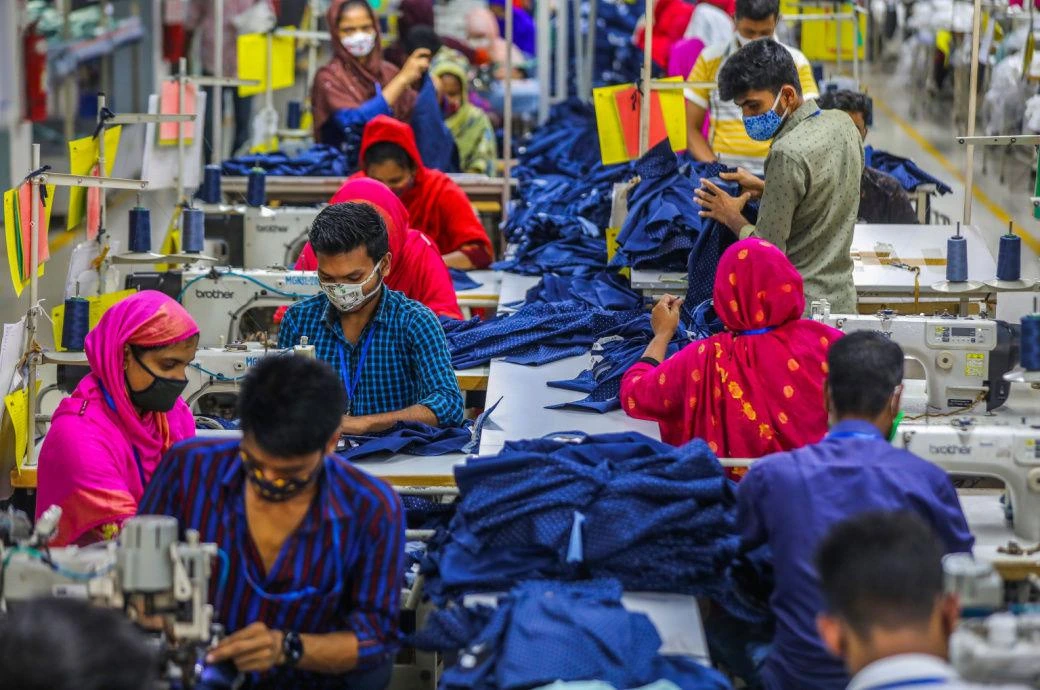
The production process varies by garment type, but may include fabric inspection, spreading, cutting, sewing, finishing, pressing, and preparation for final inspection.
During production, the team should monitor progress against the agreed schedule and identify potential problems early.
For international buyers, regular updates are valuable because they help answer important questions:
Has production started?
Are materials available as planned?
Is the order progressing on schedule?
Have any quality issues appeared?
Is corrective action needed?
Early communication gives the relevant teams more time to respond when something changes.
At TEMAX Sourcing BD, our sourcing and production support model is designed to help customers coordinate key activities throughout the apparel supply chain.

A garment may look attractive on a hanger but still fail to meet the buyer’s specifications.
Quality control therefore needs to consider the product requirements agreed for the order.
Depending on the garment and buyer standards, inspections may cover:
Measurements and fit
Stitching and seam construction
Fabric defects and shade consistency
Printing and embroidery
Trims and accessories
Labels and branding
Finishing and appearance
Packing requirements
Quality management should begin during development and continue through production, rather than relying exclusively on a final check.
For example, if an inspection identifies a recurring measurement issue early in production, the team can investigate the cause and take corrective action before the same issue affects more garments.
TEMAXBD describes a quality assurance approach that includes initial, mid-line, and final inspections based on agreed requirements and AQL levels.
The inspection plan should be appropriate for the product and the buyer’s quality standards.
Good quality control is not about finding someone to blame. It is about finding problems early, understanding why they happened, and preventing them from recurring.
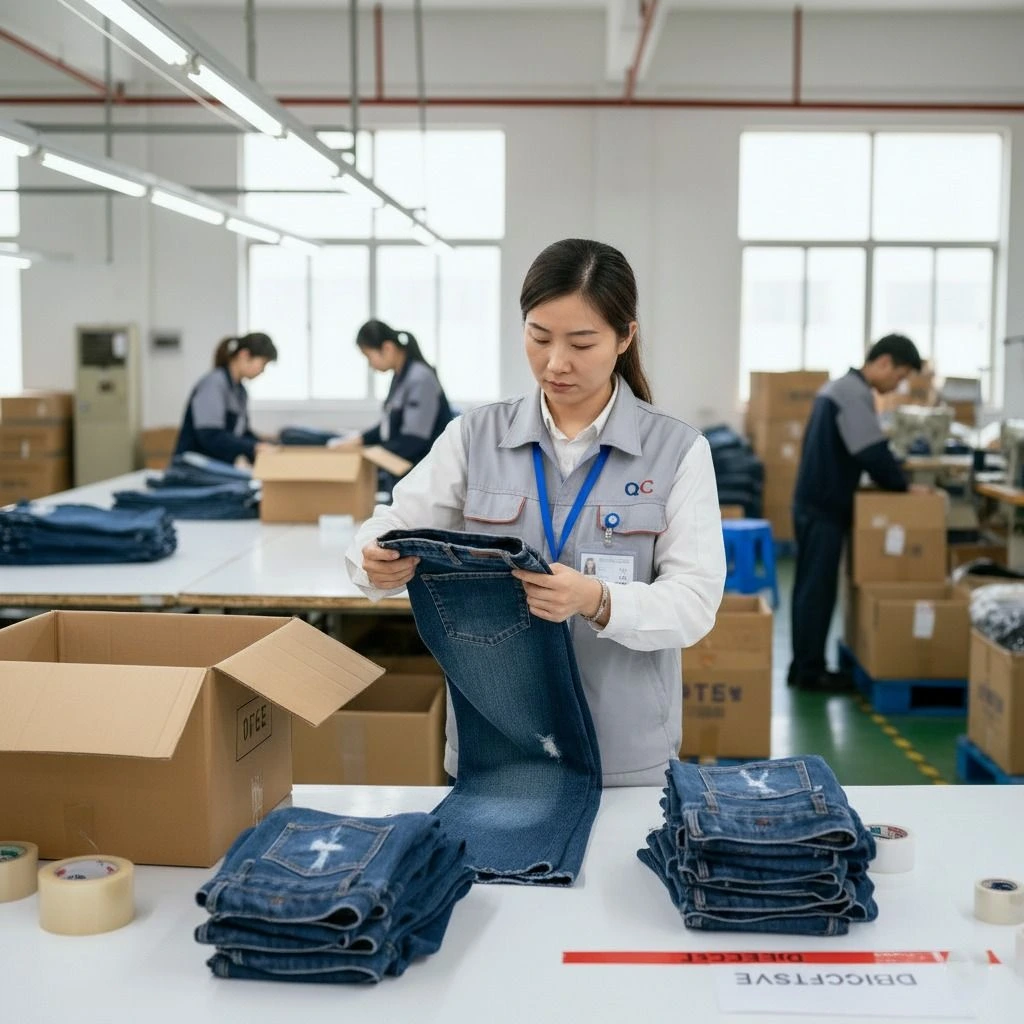
After production and the required quality checks, garments move toward finishing and packing.
This stage deserves careful attention because even a well-manufactured product can encounter problems if packing instructions are not followed.
Depending on the order, finishing and packing requirements may include:
Thread trimming and pressing
Folding and individual packing
Hangtags and price tickets
Size and care labels
Carton assortment
Carton markings
Packing lists and shipping documentation
Buyers should confirm packaging specifications and shipping instructions before the order reaches its final stage.
The team should also coordinate shipment readiness with the agreed delivery terms and logistics arrangements.
Before dispatch, the required inspections, approvals, documentation, and packing checks should be completed according to the order requirements.
Clear preparation helps reduce last-minute confusion and supports a smoother handover to the logistics process.
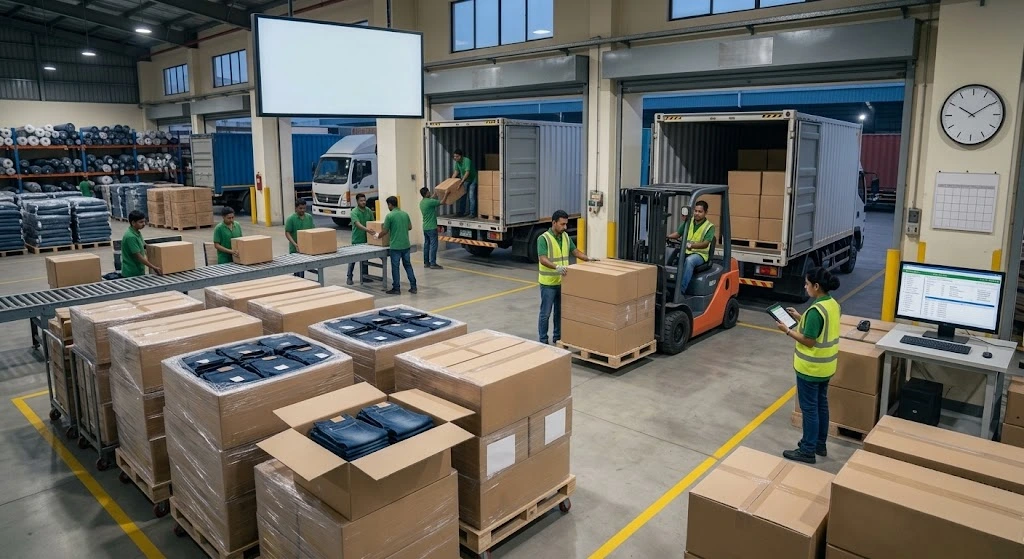
Shipment is a major milestone, but it should not come as a surprise to the buyer.
International brands need visibility into order readiness, documentation, and expected dispatch dates.
Depending on the agreed shipping terms, coordination may involve freight arrangements, export documentation, commercial invoices, packing lists, and other required documents.
Buyers should understand who is responsible for each activity and when the necessary information will be available.
It is equally important to communicate changes promptly. If a material delay or inspection issue affects the planned shipment date, early notification gives the buyer more time to adjust.
A reliable sourcing process aims to keep the buyer informed throughout the journey, not just when the goods are ready to leave the factory.
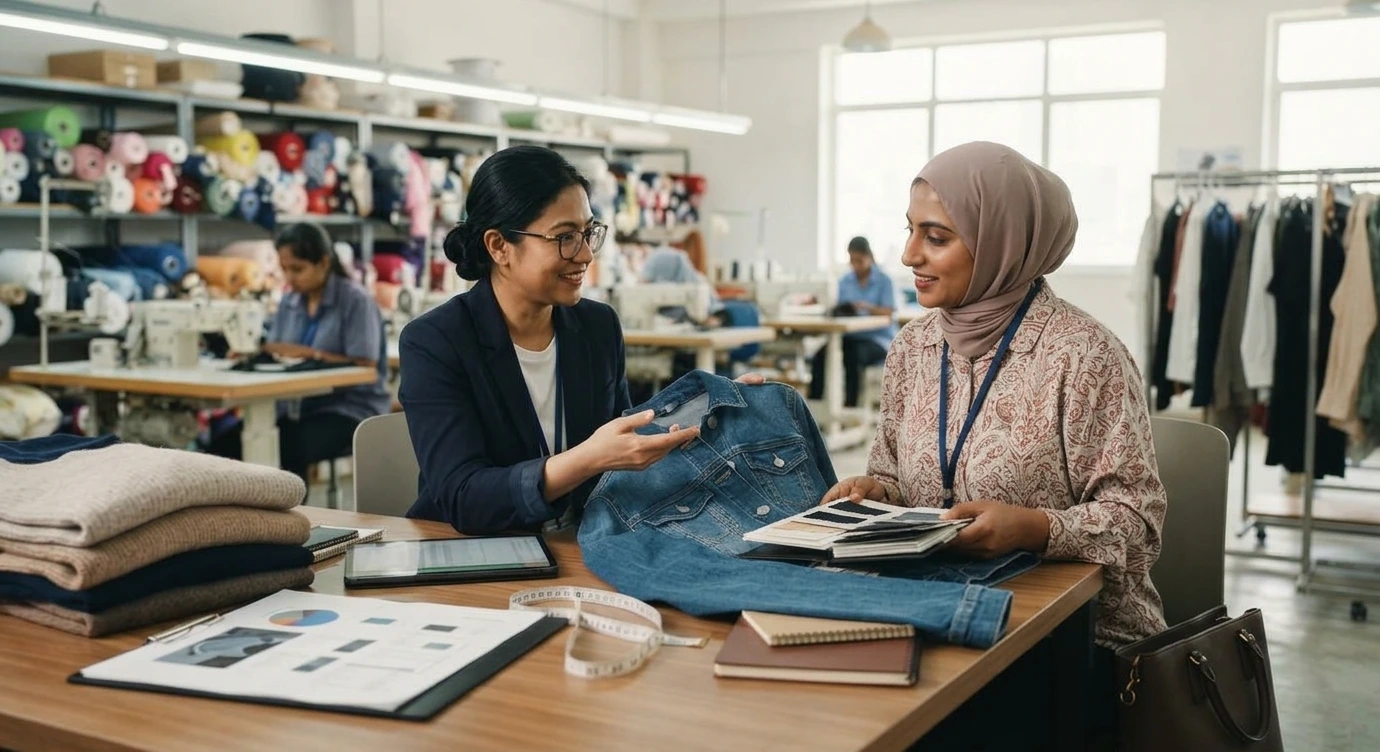
Managing every stage of garment production can be demanding, particularly for brands working with overseas manufacturers.
A capable sourcing partner helps connect the different parts of the process, from product development and supplier selection to quality management and shipment coordination.
The value is not simply in coordinating tasks. It is in helping teams communicate clearly, identify risks, and make informed decisions before small problems become expensive ones.
When evaluating an apparel sourcing partner, consider its:
Product and category expertise
Supplier and factory network
Sampling and development support
Quality management process
Communication and reporting practices
Understanding of compliance requirements
Ability to coordinate production and delivery
The right partner should understand your product requirements and commercial priorities, while being honest about challenges and realistic timelines.
At TEMAXBD, we work with international customers across apparel sourcing and supply-chain activities, supporting product development, sampling, factory selection, quality management, and production coordination.
Our focus is on helping customers navigate the process with greater clarity and confidence.
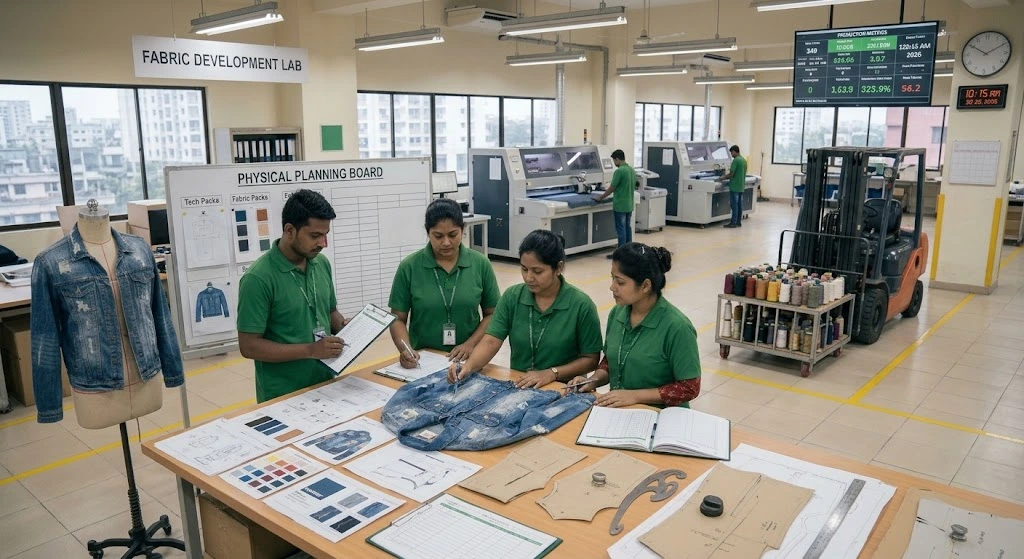
A successful apparel order is rarely the result of one decision. It is the outcome of many connected decisions made at the right time.
A clear tech pack helps communicate the design. Careful material selection supports the intended product performance. Sampling gives buyers an opportunity to refine the garment. Production monitoring and quality checks help teams identify issues. And clear shipment planning keeps the final stage organized.
For international clothing brands, understanding this journey makes it easier to ask the right questions, set realistic expectations, and build stronger manufacturing relationships.
Whether you are developing your first collection or expanding an established clothing line, a well-managed production process can make a meaningful difference.
TEMAXBD supports international clothing brands with apparel sourcing and production coordination, from product development and sampling to quality management and shipment preparation.
Have a new collection in mind? Let’s discuss your product requirements and explore how we can support your next apparel project.
Visit TEMAX Sourcing BD to learn more about our services and get in touch with our team.
The apparel production process typically includes product development, material sourcing, sampling, costing, pre-production preparation, bulk manufacturing, quality control, finishing, packing, and shipment.
A tech pack is a technical document that communicates a garment’s design and manufacturing requirements, including measurements, materials, construction details, colorways, trims, and branding.
Sample approval allows buyers to review the garment’s fit, construction, materials, and appearance before committing to bulk production. It also helps clarify the approved standard for manufacturing.
Quality planning should begin during product development and continue through material checks, production monitoring, and final inspection. The exact inspection plan depends on the garment and agreed buyer requirements.
There is no single timeline for every garment order. The schedule depends on product complexity, material availability, sample approvals, order quantity, factory capacity, testing requirements, and shipping arrangements. Buyers should agree on a realistic timeline before confirming an order.
An apparel sourcing company may coordinate product development, supplier selection, fabric and trim sourcing, sampling, production monitoring, quality management, and shipment arrangements, depending on the services agreed with the customer.

WRITTEN BY
TEMAX Sourcing BD is one of the leading readymade apparel sourcing companies in Bangladesh with a reputation of quality, reliability and unparalleled customer service which started its journey in 2015.